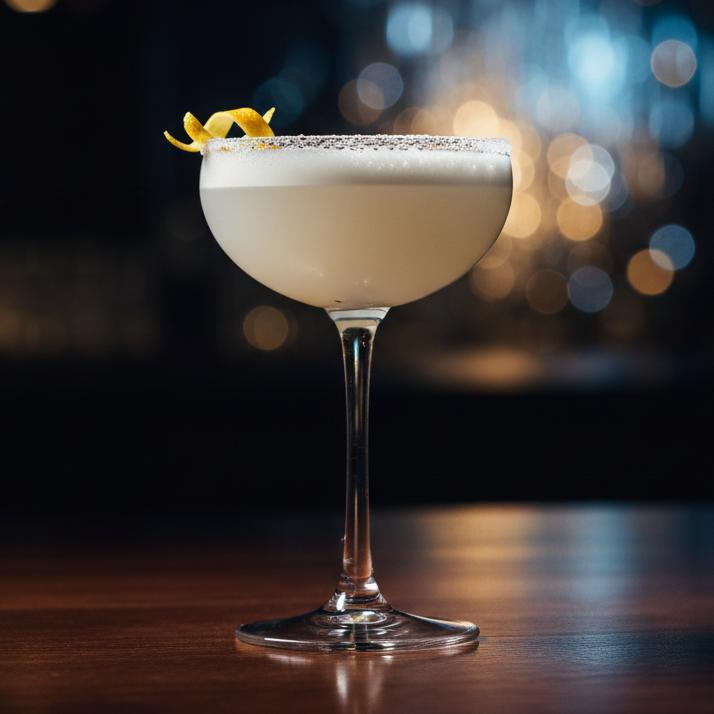
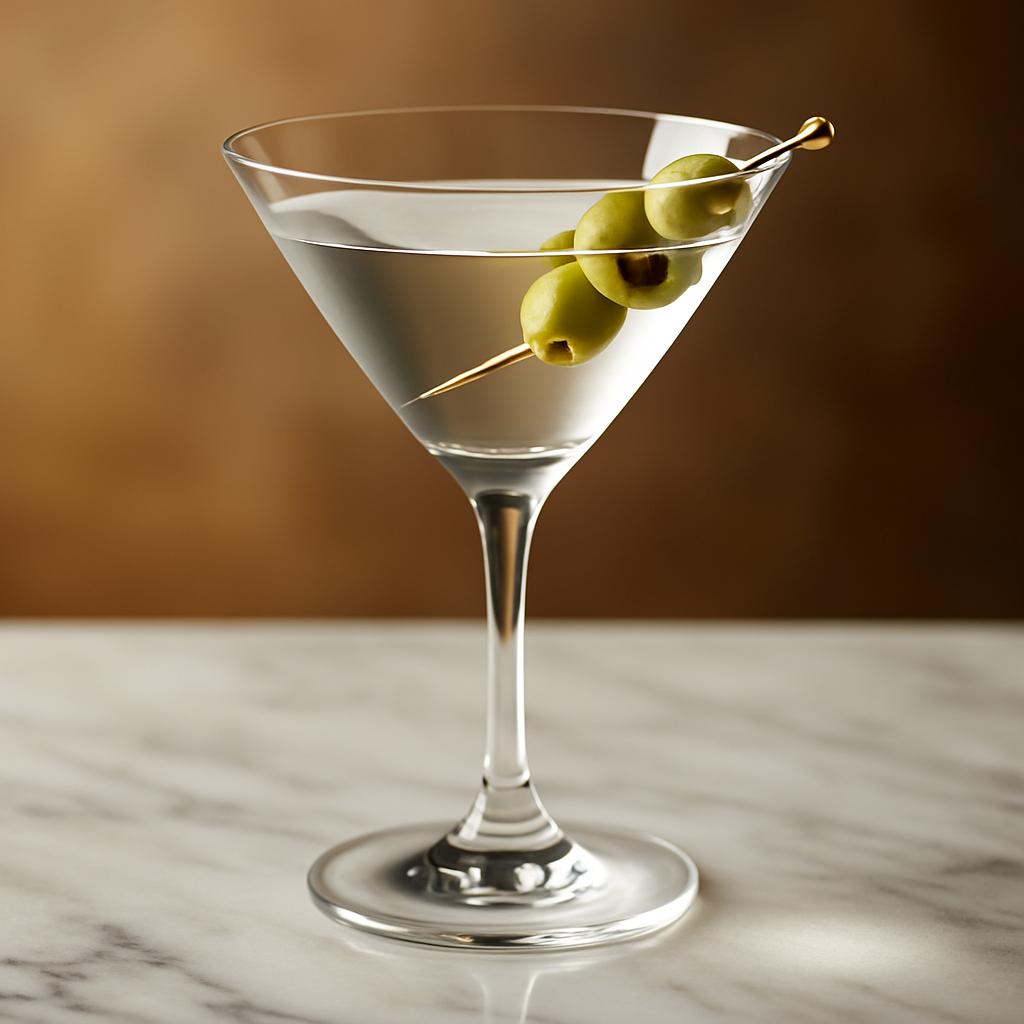
| ABV | Technique | Glass | 용량 |
|---|---|---|---|
| 25% | SHAKE | MARTINI | 72ml |
What is Kamikaze?
The Kamikaze is a classic shot cocktail built from vodka, triple sec, and fresh lime juice in equal 1:1:1 parts, shaken hard and served either as a fast shot or up in a martini glass at roughly 25% ABV. The name is Japanese for "divine wind," but the cocktail itself is American to its core — born in the 1970s at the US Navy officers' clubs in Yokosuka, Japan, where American sailors stationed in the post-war years drank it as a fast, strong, citrus-bright shot. From those navy clubs it spread to mainland US bars in the 1980s and became one of the defining shot cocktails of the disco and club era.
The recipe is the soul of simplicity. Vodka (30ml), triple sec (30ml, traditionally Cointreau or Grand Marnier), and freshly squeezed lime juice (30ml), shaken hard with cracked ice for 15 seconds, then strained into a chilled shot glass or martini glass. The original presentation was the fast shot — drink it all at once and let the citrus shock and alcohol hit your palate in a single bracing wave. In the 1980s, a slower style emerged: the "Kamikaze Martini," served up in a martini glass and sipped over 10–15 minutes, treating the drink as a proper aperitif rather than a club shot.
The Kamikaze's family is unusually large. Add a splash of cranberry juice in place of part of the triple sec and you have the Cosmopolitan — the direct descendant that became famous through Sex and the City. Use lime cordial instead of fresh lime and the drink becomes a Vodka Gimlet. The Lemon Drop is a sugar-rimmed cousin made with lemon instead of lime. In the modern bar revival, the Kamikaze has been rediscovered as a serious "perfect three-ingredient" cocktail — a tight 1:1:1 architecture that, when made with quality spirits and properly squeezed lime, can stand alongside the Margarita and Daiquiri as a sour-family classic.
Kamikaze ABV
The Kamikaze sits at roughly 25% ABV — about twice the strength of a glass of wine and very close to a Margarita. The math: 30ml of 40% vodka and 30ml of 40% triple sec combine with 30ml of lime juice (0% ABV), shaken hard with cracked ice for 15 seconds. That vigorous shake adds about 30% dilution by volume, landing the final ABV at 25%. Despite the strength, the bright citrus acidity and the cold of the shake make the Kamikaze feel deceptively smooth on the palate — which is exactly why it became the shot of choice for an entire era of US bar culture.
The ratio is the dial. The classic 1:1:1 ratio gives a balanced 25% ABV. A Strong Kamikaze bumps vodka to 45ml and cuts triple sec to 15ml, pushing the ABV to about 28% and tilting the balance dry. A Soft Kamikaze stretches the lime to 45ml, dropping the ABV to about 22% and turning the drink into something closer to a Margarita-without-tequila. Substitute cranberry juice for the triple sec and you have the 19% Cosmopolitan; use lime cordial instead of fresh lime and you have the 21% Vodka Gimlet. Each variation moves the drink in a measurable direction, but the original Kamikaze remains the cleanest, sharpest, most direct form of the formula.
Kamikaze Ingredients
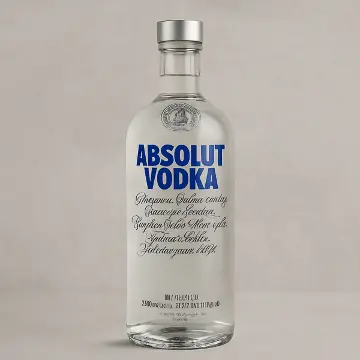
- 30ml - Vodka
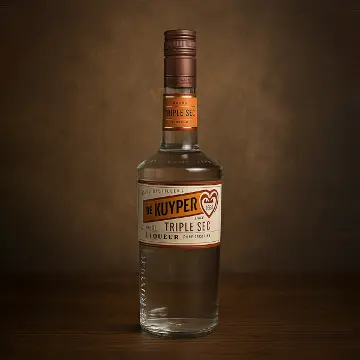
- 15ml - Triple Sec
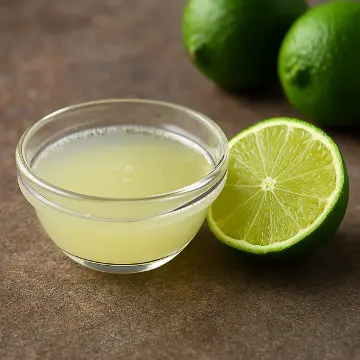
- 15ml - Lime juice
Kamikaze Recipe
- Add 30ml vodka, 15ml triple sec, and 15ml lime juice to a shaker.
- Fill the shaker with ice and shake vigorously until well chilled.
- Strain into a chilled shot glass or coupe glass.
Using fresh lime juice enhances the brightness of the drink.
Kamikaze Taste
The first taste arrives with the bright, mouth-puckering acidity of fresh lime — the kind of citrus snap that wakes the whole palate at once. Then triple sec's sweet orange oils sweep in and round off the lime's sharper edges, while the vodka provides a clean, neutral spine that lets the citrus and orange notes carry the experience. A well-made Kamikaze is described as "acid + sweet + clean spirit" meeting in precise three-beat rhythm, with a finish that arrives quickly and cleanly — there's no lingering, just a clean snap and a satisfying warmth.
Drunk as a fast shot, the Kamikaze hits the palate and throat in one wave, delivering both the citrus shock and the alcohol warmth in a single bracing instant — the kind of drink that powers a night of dancing or signals the start of a celebration. Drunk slowly up in a martini glass, the same ingredients reveal themselves more carefully: the lime's tropical character, the orange liqueur's candied-peel sweetness, the vodka's soft alcohol heat. The Cosmopolitan variation reads as "fruitier and softer," with cranberry's berry tartness joining the citrus. The Vodka Gimlet variation reads as "deeper and more concentrated," with lime cordial's syrupy weight giving the drink more body.
For pairings, the Kamikaze thrives with salty, spicy, and fatty foods. Salted peanuts, spicy wasabi shrimp, kimchi, lime-salted chicken, sriracha grilled meats, and spicy Korean fried chicken are all classic pairings in modern bars. For dessert, lime tart, key lime pie, or a citrus sorbet extends the drink's acidic thread beautifully. In US bars, the Kamikaze is sometimes paired with raw oysters in the way an Aperol Spritz might be — a high-acid drink cutting through the brine.
Kamikaze History
The Kamikaze's precise origin is a small mystery, but the consensus story places its birth at the US Navy officers' clubs in Yokosuka, Japan, in the early-to-mid 1970s. After WWII, the US Navy maintained large bases in Japan, and American sailors stationed there created a hybrid bar culture that blended American shot drinking with Japanese imports. The Kamikaze, named in Japanese for "divine wind" — a deliberately provocative choice for an American drink at a Japanese base — became the signature shot of these officers' clubs: vodka, triple sec, and lime in equal parts, drunk fast and cold. The drink crossed back to the American mainland in the late 1970s as US Navy personnel rotated home, and it landed in New York and Los Angeles bars by 1980.
The 1980s and early 1990s were the Kamikaze's mainstream peak. It became one of the most-ordered shots at American clubs, bars, and college parties — fast, strong, bright, and easy to make in batches. The cocktail also became the parent of one of the most famous drinks of the next decade: the Cosmopolitan, born in New York or San Francisco (depending on which bartender you ask) in the late 1980s when someone swapped half the triple sec for cranberry juice and served the result up in a martini glass. The Cosmopolitan exploded into mainstream consciousness in the late 1990s with HBO's "Sex and the City," cementing the Kamikaze's genealogical place as the grandparent of the modern flavored-vodka cocktail movement.
In the modern craft cocktail era, the Kamikaze has been rediscovered. The 1:1:1 ratio — once dismissed as a club shot — is now recognized as a textbook example of a clean sour cocktail, often served slowly up in a small coupe as a proper aperitif. Bartenders experiment with Japanese vodka (Haku, Suntory), Japanese citrus (sudachi, yuzu) in place of lime, and high-end orange liqueurs (Cointreau Noir, Pierre Ferrand Dry Curaçao). In US bars, April 6 is celebrated as National Kamikaze Day with house variations, often featuring the modern back-to-basics approach: real lime, premium vodka, and Cointreau in perfect 1:1:1 balance — and a return to the no-frills shot glass.