
| ABV | Technique | Glass | 용량 |
|---|---|---|---|
| 33% | STIR | MARTINI | 85ml |
What is Martini?
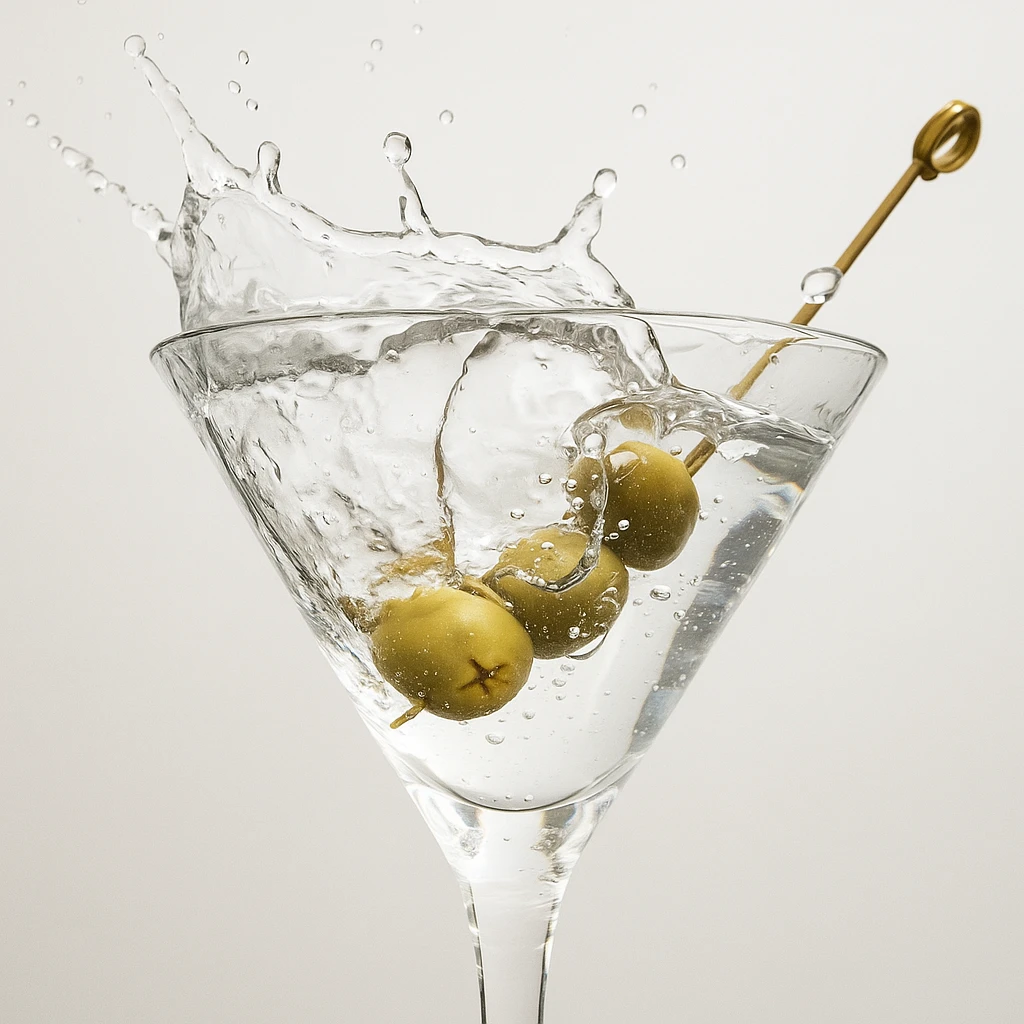
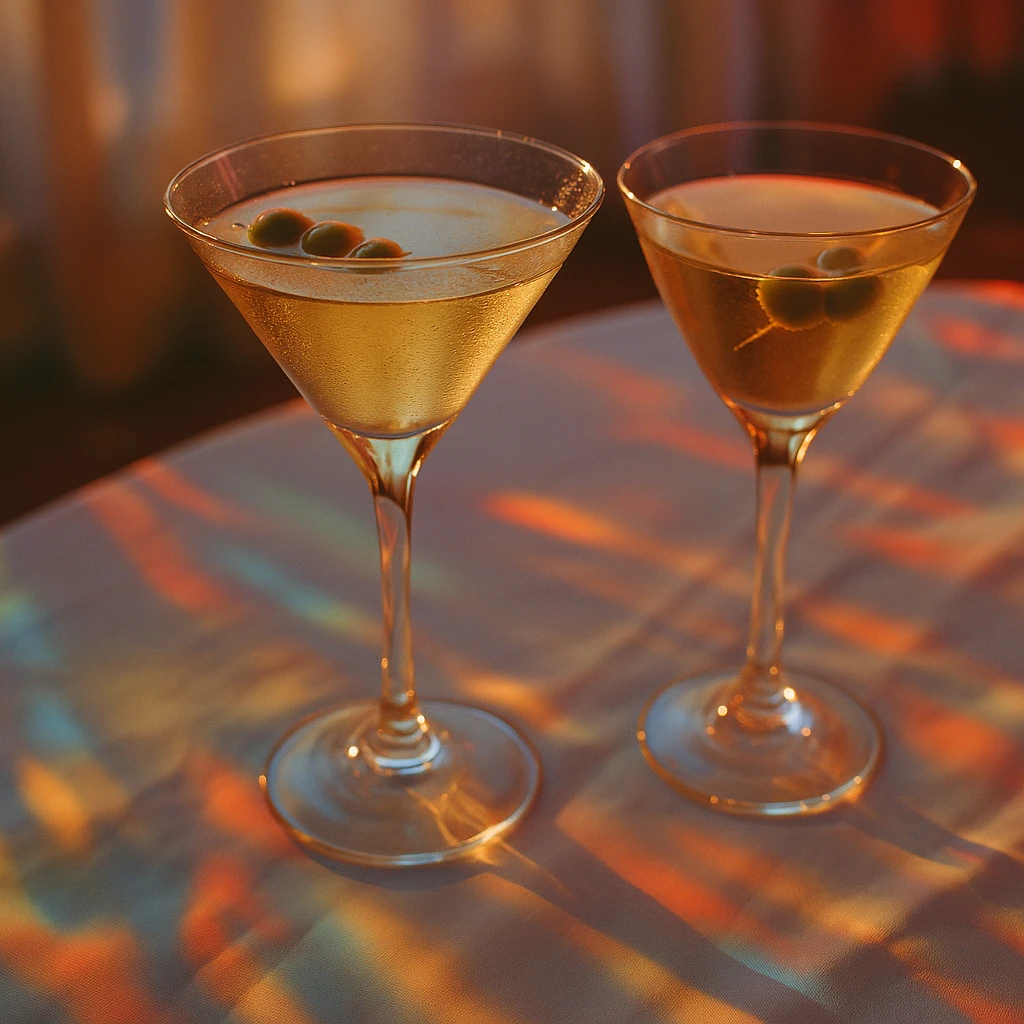
The Martini is a classic cocktail built from dry gin and dry vermouth, stirred ice-cold and served straight up at roughly 32% ABV — the IBA-official drink first recorded in Harry Johnson's "The Modern Bartender's Guide" in 1888 and known ever since as the King of Cocktails. So iconic is its silhouette that the glass itself bears its name: the "martini glass." More than any other drink, the Martini is the visual and cultural shorthand for the very idea of a cocktail.
The recipe is the soul of simplicity. Chilled gin (60ml), dry vermouth (10–15ml), stirred 30–45 seconds with cracked ice in a mixing glass, then strained into a frozen coupe or martini glass. But simplicity reveals intent. The choice of gin (London Dry, Plymouth, Old Tom, or a botanical-forward modern), the vermouth ratio (anywhere from a classic 6:1 wet pour to an "extra dry" vermouth rinse), the garnish (olive or lemon twist), the glass temperature — every minor decision is exposed in the final pour. Top bartenders treat the Martini as the truest measure of their craft.
The Martini family is wide. The Dirty Martini adds a splash of olive brine for a salty, savory edge. The Vesper, James Bond's drink, combines gin, vodka, and Kina Lillet (or its modern stand-in, Lillet Blanc). The Gibson swaps the olive for a cocktail onion, lending a fermented vegetal note that plays differently with the vermouth. The Espresso Martini (born 1983 in London) is technically not a true Martini at all but has earned a permanent place on every modern menu. In the United States, the Martini has been a symbol of business lunches, mid-century glamour, and Manhattan literary circles; today it functions equally as a serious bar classic and the trendiest opener at speakeasies from Brooklyn to Tokyo.
Martini ABV
The Martini weighs in at roughly 32% ABV, placing it among the strongest cocktails on most menus — about 2.5 times the strength of a glass of wine and nearly the equal of a neat shot of gin. The math is straightforward: 60ml of 40% gin meets 10–15ml of 18% vermouth, all stirred for 30–45 seconds with cracked ice. That stir adds roughly 20–25% dilution by volume, dropping the final ABV into the low 30s. The result is a drink that's deceptively smooth on the palate but carries genuine alcoholic weight — a Martini is meant to be sipped slowly, not pounded.
The ratio is the ABV dial. An Extra Dry Martini, in which the vermouth amount drops to a near-rinse, can push the final ABV up to about 35%. A Wet Martini (6:1 or even 4:1 gin-to-vermouth) brings it down to roughly 28%, while emphasizing the vermouth's herbal and floral notes. Swapping gin for vodka keeps the ABV but strips out the botanicals for a cleaner, more neutral profile. A Dirty Martini with 5–10ml of olive brine lands around 30% and adds a savory umami element. Each adjustment is a small lever — and great bartenders know how to use them to match a guest's palate without ever changing the basic structure of the drink.
Martini Ingredients
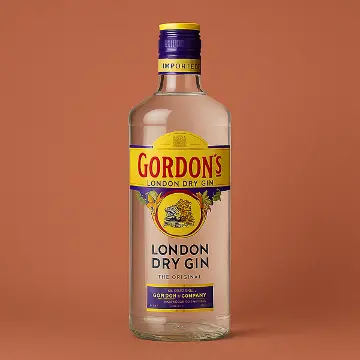
- 60ml - Dry Gin
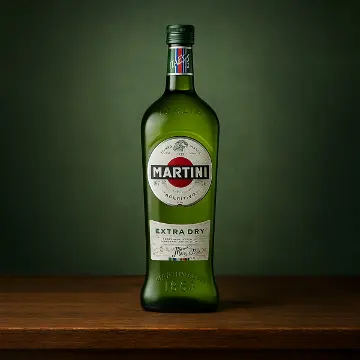
- 10ml - Dry Vermouth
Martini Recipe
- In a mixing glass, combine 60ml dry gin and 10ml dry vermouth.
- Fill with ice and stir gently until chilled.
- Strain into a chilled martini glass and garnish with an olive or a lemon twist.
Stirring instead of shaking preserves the clarity and balance of a true dry martini.
Martini Taste
The first sip arrives with the cold itself — the chill of a frozen glass against the lip and the silken slip of an ice-temperature pour. Gin's juniper and citrus botanicals open clean and bright, with the dry vermouth's subtle herbal notes lending dimension underneath. A well-built Martini is described in three words: cold, dry, and deep. Almost nothing is on the surface, but the moment the liquid touches the palate, an architecture of botanical layers, vermouth depth, and clean alcohol unfolds in measured order.
As the glass warms slightly through the experience, the gin's aromatic core opens further, releasing notes that were locked in the chill. The finish leaves traces of the garnish — olive brine and savory umami if you went Dirty, citrus oil and bright zest if you took the lemon twist. A Dirty Martini reveals an unexpected balance between gin's dry edges and the salt-and-brine of cured olive, while a Gibson trades that for the funky, fermented note of a cocktail onion. A Vesper is something else entirely — the Kina Lillet softens the spine while the vodka stretches it longer, producing the famously "shaken, not stirred" texture James Bond preferred.
The Martini's perfect companions are salty, savory, and umami-rich. Cured olives (especially Castelvetrano or Manzanilla), olive tapenade, salt-and-vinegar potato chips, smoked oysters, fresh anchovy on grilled bread, and caviar canapés are all classic pairings. Pair a Martini with steak tartare or beef carpaccio at the start of dinner, and you have the most elegant opening course in cocktail culture.
Martini History
The Martini's exact origin is one of cocktail history's great unresolved debates. The two most-cited stories both date to the late 19th century. The first traces the drink to Martinez, California in the 1860s — a Gold Rush-era bar town where a bartender supposedly mixed gin and vermouth for a thirsty traveler bound for San Francisco; the resulting "Martinez Cocktail" is widely seen as the Martini's direct ancestor. The second points to Martini di Arma di Taggia, the head bartender at New York's Knickerbocker Hotel, who claimed to have invented the drink for John D. Rockefeller in 1912 (or, in some versions, as early as 1888). The first formal printed recipe appears in Harry Johnson's "The Modern Bartender's Guide" in 1888 — and that early Martini was a much sweeter affair, heavier on Italian vermouth, closer to what we'd now call a "Sweet Martini" or Martinez.
The American Prohibition era (1920–1933) is when the modern Dry Martini took shape. With Italian vermouth scarce and most domestic gin produced in bathtubs, bartenders cut the vermouth ratio drastically to mask the harsh, hastily-distilled spirit — and a new style was born. The 1950s and 1960s pushed the trend further still: Winston Churchill famously joked that he made his Martini by glancing at the vermouth bottle from across the room. In 1962, the first James Bond film "Dr. No" gave the world the immortal "shaken, not stirred" order, and the Vodka Martini stepped briefly into the spotlight that the gin version had held for a century.
The modern era brought variations, not replacements. The Dirty Martini, popularized in the 1980s and later embraced by Martha Stewart, became its own canonical drink. The Espresso Martini (Dick Bradsell, London, 1983) used the Martini name and glass shape but pioneered the modern dessert-cocktail category. The Gibson, the Vesper, and the Smoky Martini (with a peated whisky rinse) each carve their own niche. In the 2010s, the global craft cocktail revival put the classic Dry Martini back at the center of every serious bar menu, with bartenders matching small-batch botanical gins, French and Italian vermouths, and bespoke garnishes to individual guests. The IBA recognizes the Martini as a foundational official cocktail, and every June 19 the world celebrates Martini Day with new and historical variations alike.

