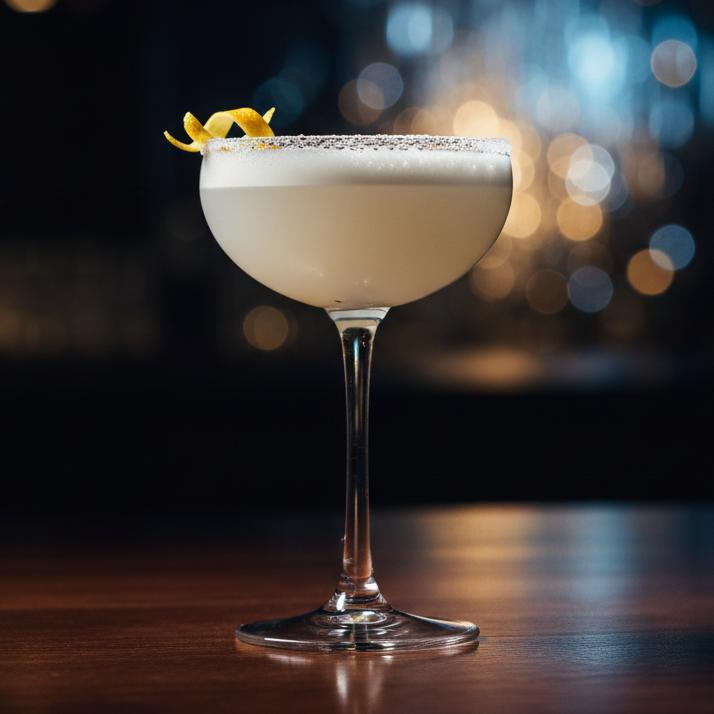
| ABV | Technique | Glass | 용량 |
|---|---|---|---|
| 21% | SHAKE | MARTINI | 84ml |
What is Gimlet?
The Gimlet is a classic cocktail built from dry gin and lime cordial (or fresh lime juice plus simple syrup) at a 4:1 or 2:1 ratio, stirred cold and served straight up at roughly 21% ABV. An IBA-official cocktail since 1928, the Gimlet is the canonical gin-based sour, born in the late-19th-century British Royal Navy as a way of administering vitamin C to sailors on long voyages. Its name is most commonly traced to Surgeon Rear-Admiral Sir Thomas Gimlette (1857–1943), a Royal Navy doctor who reportedly insisted that his men mix their daily lime ration with gin to make it more palatable.
The recipe is at once simple and exacting. Chilled dry gin (60ml) and lime cordial (15ml, traditionally Rose's) are stirred 30 seconds in a mixing glass with cracked ice, then strained into a frozen coupe or martini glass and finished with a lime wheel or twist. If lime cordial is not available, the modern Fresh Gimlet substitutes 15ml of fresh lime juice plus 10ml of simple syrup — a brighter, more acidic version that emphasizes the citrus over the syrupy weight of the cordial. The two styles produce visibly different drinks: the Rose's version has more body, weight, and tropical sweetness; the fresh version is crisper, sharper, and more transparent.
The Gimlet sits at the heart of a small family. Swap gin for vodka and you have a Vodka Gimlet, made famous in Raymond Chandler's 1953 novel "The Long Goodbye." Use a blend of gin and vodka for a Diamond Gimlet, a modern hybrid. Add a small amount of soda water and you have the Gimlet Highball, a lighter long-form take. In Korean and Japanese bar culture, the Gimlet has earned a reputation as "the next drink after a Martini" — the gin cocktail you graduate to when you're ready to add citrus complexity to your repertoire.
Gimlet ABV
The Gimlet sits at roughly 21% ABV — about 1.5 times the strength of a glass of wine, placing it solidly in the middle-strength range of cocktails. The math: 60ml of 40% gin and 15ml of approximately 17% lime cordial (concentrated lime extract with sugar) are stirred 30 seconds with cracked ice in a mixing glass. That stir adds about 20% dilution by volume, dropping the final ABV down to 21%. Smooth and approachable but with gin's botanical character still clearly present, the Gimlet earns the description "light but honest" — gentle enough to drink before dinner, structured enough to merit slow attention.
The ratio is the lever. The classic 4:1 (60ml gin + 15ml cordial) lands at about 21% ABV with the gin character at its clearest. A 2:1 ratio (60ml + 30ml cordial) drops the ABV to about 18% and tips the drink toward sour territory with more pronounced acidity. The Fresh Gimlet (with lime juice and simple syrup) produces a similar ABV but with a brighter, more acid-forward character. Replacing simple syrup with honey syrup creates the Bee's Knees-adjacent variation; stirring rather than shaking keeps the gin texture cleaner and clearer.
Gimlet Ingredients
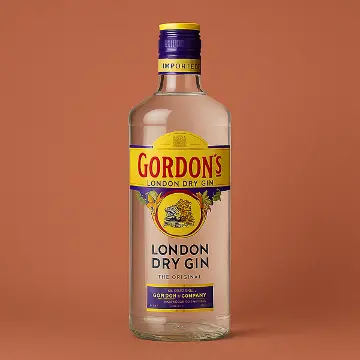
- 45ml - Dry Gin
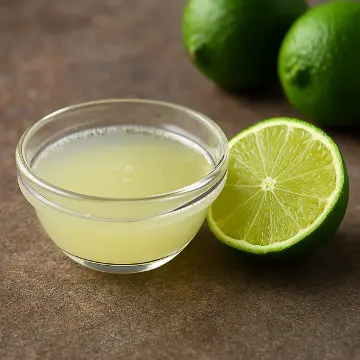
- 15ml - Lime juice
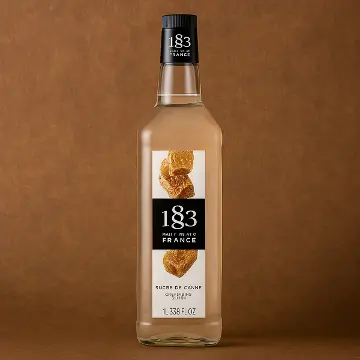
- 10ml - Simple Syrup
Gimlet Recipe
- Add 45ml dry gin, 15ml lime juice, and 10ml simple syrup to a shaker.
- Agrega 45ml de ginebra seca, 15ml de jugo de lima y 10ml de jarabe de azúcar a una coctelera.
- Fill the shaker with ice and shake vigorously until well chilled.
- Llena la coctelera con hielo y agita vigorosamente hasta que esté bien frío.
- Strain into a chilled coupe glass.
- Cuela en una copa coupe previamente enfriada.
Using freshly squeezed lime juice enhances the clean and crisp flavor of the Gimlet.
Gimlet Taste
The first sip opens with dry gin's juniper, citrus, and herbal botanicals unfolding clean and bright on the palate. Lime cordial's concentrated tropical lime sweetness and rounded acidity immediately balance the gin's alcoholic dryness, and the finish carries a faint bitter note from lime peel along with the gin's lingering herbal depth. A well-built Gimlet is described as "cold, clear, and tightly composed" — a Martini-adjacent profile but with the citrus dimension that the Martini deliberately omits.
The Fresh Gimlet shows itself crisper and brighter than the Rose's version, with fresh lime acid in place of the cordial's concentrated weight. The Vodka Gimlet strips out the gin's botanicals entirely and lets the lime sing — cleaner and more minimal, the drink Raymond Chandler's Marlowe would order. Shaking instead of stirring (an option in modern bars) produces a cloudier appearance with softer texture but slightly diluted character. In terms of pairings, the Gimlet thrives with citrus, seafood, and savory fatty foods. Classic pairings include oysters, shrimp carpaccio, caviar, anchovy toast, smoked salmon, and lightly grilled asparagus. Surprisingly, the Gimlet pairs beautifully with Southeast Asian spice — Thai som tam, Vietnamese spring rolls, and Korean spicy chicken all complement the drink's citrus structure.
For dessert pairings, lime tart, key lime pie, and tropical sorbets extend the drink's citrus thread elegantly. In modern Korean bars, the Gimlet is often the cocktail recommended to guests who liked their first Martini but want to explore further into the gin universe — citrus the next step beyond pure botanicals.
Gimlet History
The Gimlet's origins trace to the late-19th-century British Royal Navy. British sailors of the era were required to drink lime juice daily as scurvy prevention — the practice that earned them the nickname "Limeys" — and from 1867 onward the standard issue was Rose's Lime Juice Cordial, the world's first commercial fruit cordial, invented by Lauchlin Rose in Edinburgh. Officers, who had access to gin in the wardroom, naturally began mixing their lime ration with their gin to make the medicine more palatable. The exact identity of the first person to give the drink the name "Gimlet" is disputed: one story credits a small piercing tool called a gimlet (used to tap casks of lime juice on board), while another points to Surgeon Rear-Admiral Sir Thomas Gimlette, a Royal Navy doctor who supposedly insisted his men mix lime with their gin.
The Gimlet's first formal recipe appears in print in 1928, in Harry Craddock's landmark "The Savoy Cocktail Book" — published in London during American Prohibition by the legendary bartender of the Savoy Hotel. Craddock's recipe is a precise 1:1 ratio of gin and Rose's Lime Cordial, which by mid-20th century had drifted toward the drier 4:1 or 2:1 ratios that define the modern Gimlet. In 1953, the drink reached its highest cultural moment when Raymond Chandler's detective novel "The Long Goodbye" placed it in the hands of Philip Marlowe, who declares: "a real Gimlet is half gin and half Rose's lime juice and nothing else."
The modern era has brought new variations. The Vodka Gimlet became popular in 1960s America. The Fresh Gimlet — with freshly squeezed lime in place of cordial — became the standard in the 2000s classic-cocktail revival, with bartenders insisting that fresh lime captured the drink's spirit more honestly than the syrupy cordial. Japanese bars have created the Suntory Gimlet using domestic gins (Roku, Ki No Bi); Korean bars have started experimenting with the country's craft gins (Tokki Soju Gin) and even soju-based variations. The IBA recognizes the Gimlet as an official cocktail, and November 19 is celebrated in some bars as Gimlet Day, with house variations highlighting the drink's broad family tree.