| ABV | Technique | Glass | 용량 |
|---|---|---|---|
| 17% | SHAKE | MARTINI | 110ml |
What is Espresso Martini?
The Espresso Martini is a modern classic cocktail built from vodka, coffee liqueur, freshly pulled espresso, and a small dose of simple syrup, shaken hard and served straight up at roughly 20% ABV. It was born in 1983 at the Soho Brasserie in London, when legendary British bartender Dick Bradsell improvised a drink for a young model who reportedly asked him for something that would "wake me up, then..." The result was a velvety, caffeinated, alcoholic dessert in a glass — a drink that has only grown more popular in the four decades since.
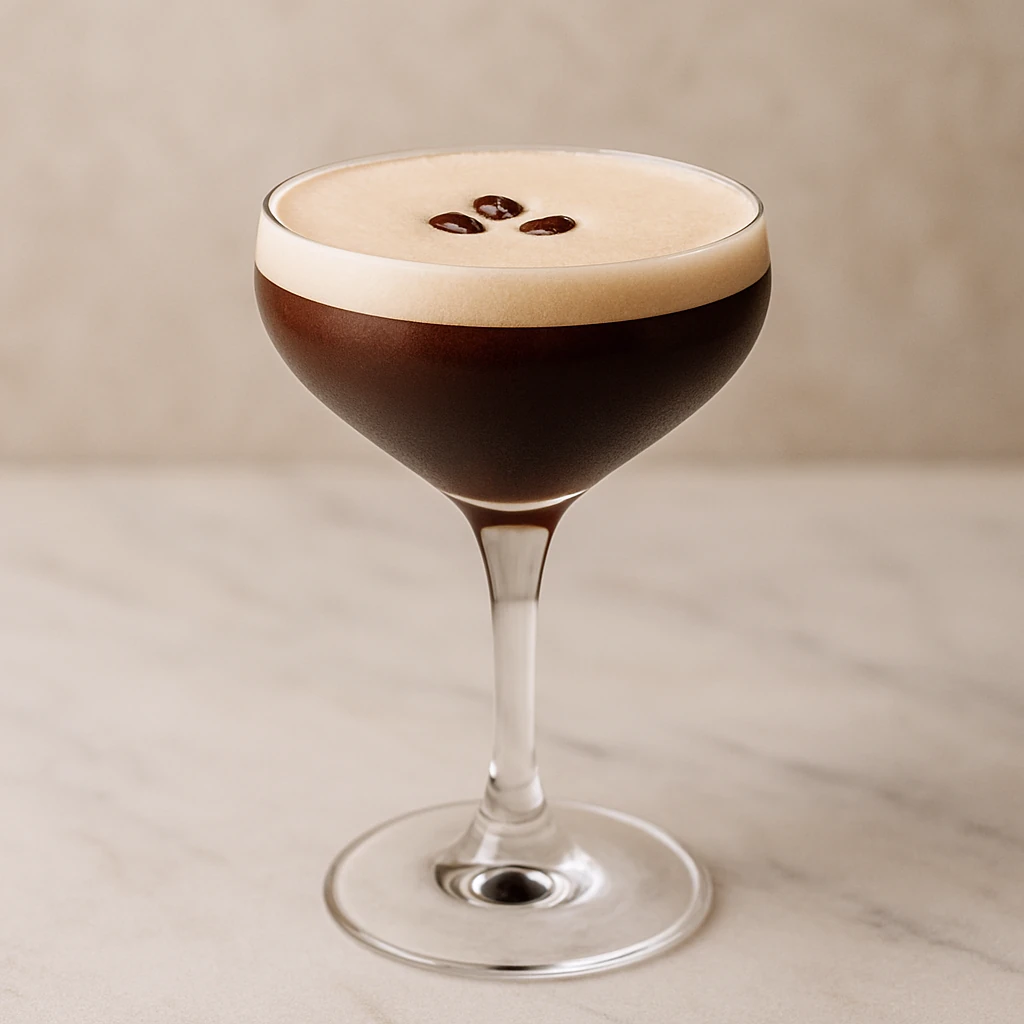
The recipe is precise. Chilled vodka (40ml), coffee liqueur (15ml, traditionally Kahlúa or the more modern cold-brew-style Mr. Black), freshly pulled hot espresso (30ml), and 5–10ml of simple syrup, shaken aggressively with cracked ice for 15–20 seconds and double-strained into a frozen martini glass. The signature golden foam on top — that crema — is what defines a great Espresso Martini visually and on the palate. The espresso must be freshly pulled and still hot when it hits the shaker; cold espresso produces almost no foam, no matter how vigorously you shake.
The Espresso Martini family has grown wide. The Espresso Negroni swaps vodka for gin, Campari, and sweet vermouth. The Cold Brew Martini uses concentrated cold-brew coffee and brands like Mr. Black, producing a drier, more acidic profile. The Tiramisu Martini adds Baileys, mascarpone foam, and cocoa dust for a literal dessert-in-a-glass. The Salted Caramel Espresso Martini uses salted caramel vodka or a small pinch of flaky sea salt to brighten the coffee. In the U.S. and UK, the Espresso Martini has become the unofficial drink of late-2010s and 2020s nightlife — born from cocktail bar culture but adopted by restaurants, cafes, and Instagram alike.
Espresso Martini ABV
The Espresso Martini sits at roughly 20% ABV — a touch higher than a glass of wine but only about two-thirds the strength of a true Martini. The math: 40ml of 40% vodka and 15ml of 20% coffee liqueur are joined by 30ml of espresso (0% ABV) and 5–10ml of simple syrup, then shaken hard for 15–20 seconds with cracked ice. That vigorous shake adds about 30% dilution by volume, landing the final ABV around 20%. The caffeine content (roughly 60–80mg per drink, equivalent to a small cup of coffee) makes the Espresso Martini a popular "after-dinner pick-me-up" — but a poor choice within four hours of bedtime.
The ratio is the lever. A Strong Espresso Martini bumps vodka to 50ml and drops the syrup entirely, pushing the ABV to about 22% and tilting the balance toward the spirit. A Light Espresso Martini cuts vodka to 30ml and stretches with 45ml of espresso, dropping the ABV to about 16% and brightening the coffee character. The Espresso Negroni runs roughly 24% with the addition of Campari and vermouth. A Rum-Espresso variation, sometimes called the Espresso Solera, sits around 22% with a softer, more vanilla-forward profile. For non-drinkers, an alcohol-free version using cold-brew coffee, vanilla syrup, and a touch of orange flower water captures much of the same dessert magic without the kick.
Espresso Martini Ingredients
- 45ml - Vodka
- 15ml - Coffee Liqueur
- 30ml - Espresso
- 7.5ml - Simple Syrup
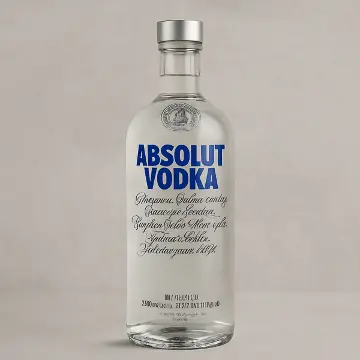
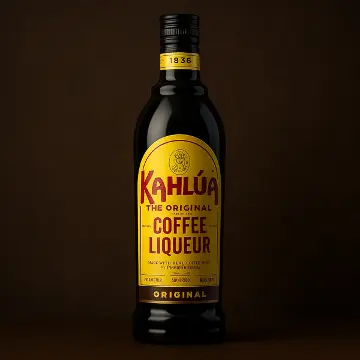
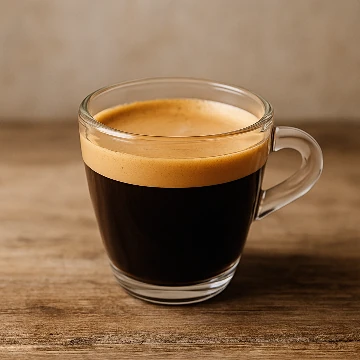
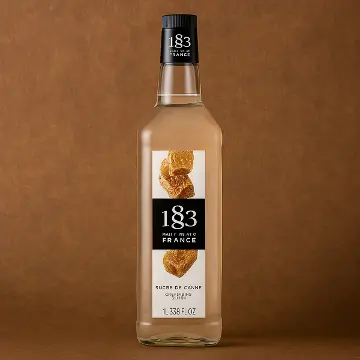
Espresso Martini Recipe
- Chill a martini glass in the refrigerator or freezer.
- Add 45ml vodka, 15ml coffee liqueur, 30ml cooled espresso, and 7.5ml simple syrup to a cocktail shaker filled with ice.
- Shake vigorously for 30 seconds to create the creamy foam layer.
- Double strain into the chilled martini glass and garnish with three coffee beans.
Fresh espresso is key to this cocktail. Hot espresso will melt the ice and dilute the drink, so let it cool to room temperature before using. Shake vigorously to create the signature creamy foam layer.
Espresso Martini Taste
The first sip is the foam itself — that rich, golden crema kissing the lip and sliding across the palate in a creamy whisper before the liquid below makes contact. Then the espresso's deep roast and gentle bitterness unfold across the tongue, followed by the coffee liqueur's round sweetness and the vodka's clean alcoholic backbone. A great Espresso Martini reads as "rich coffee + velvet foam + clean spirit" all meeting in a single precisely-tuned sip, with a finish that lingers between dessert and digestif.
As the foam slowly settles, the vodka and the post-bitter espresso start to show more clearly, and a faintly sweet coffee character carries through the long finish, inviting the next sip almost automatically. A Cold Brew Martini (Mr. Black) drinks drier and more acidic than the Kahlúa version, showing off the espresso's fruit-forward notes; the Espresso Negroni adds Campari's bitter orange and vermouth's herbal depth for an unexpectedly complex pairing with coffee; the Salted Caramel variation pushes the dessert character into full Snickers-bar territory.
For food pairings, the Espresso Martini was made for dessert. Dark chocolate cake, tiramisu, crème brûlée, vanilla ice cream, cheesecake, and the classic Italian biscotti are all picture-perfect partners. For something more savory, try the Espresso Martini alongside aged manchego, caramelized nuts, or even a small piece of dark fruitcake. In the U.S. and UK, the Espresso Martini has emerged as a stand-alone "third course" — ordered after dessert as a final flourish on a long evening.
Espresso Martini History
The Espresso Martini was born one evening in 1983 at the Soho Brasserie in London, where legendary British bartender Dick Bradsell was working the stick. The story, told and retold over the decades by Bradsell himself, goes like this: a young woman — usually identified as Naomi Campbell, though Bradsell never confirmed the name — walked up to the bar and asked for something that would "wake me up, then..." Bradsell, with an espresso machine standing nearby, combined vodka, coffee liqueur (Kahlúa), and a freshly pulled espresso shot in a shaker, finished with a touch of sugar, and presented the result in a martini glass. The drink was first named the "Vodka Espresso" and only later became the Espresso Martini once the martini-glass presentation was firmly established. In the 1990s, Bradsell himself rebranded an iteration as the "Pharmaceutical Stimulant," and that name floated around London bars for a few years before "Espresso Martini" won out.
The drink's rise to global classic status came in waves. The 1990s saw it spread through London and New York cocktail bars. The 2000s brought it to mainstream American restaurants and chain bars. But the true explosion happened in the late 2010s, when Australian Mr. Black Cold Brew Coffee Liqueur (founded in Sydney in 2013) became the bartender's preferred coffee component, and Instagram supercharged the cocktail's photogenic crema-on-top look into one of the most-posted drinks of the decade. The hashtag #espressomartini has racked up tens of millions of mentions, and a 2022 New York Times feature declared the drink "the cocktail of the 2020s."
In 2022, the IBA officially added the Espresso Martini to its "New Era Drinks" category, formally recognizing it as a contemporary classic on par with the Cosmopolitan and the Penicillin. The Espresso Martini Day falls on March 15 each year, when bars across the world release house variations, often featuring local roasters, single-origin espresso, or seasonal flavorings. In Australia and the UK, the Espresso Martini has effectively replaced the traditional after-dinner liqueur or digestif — a one-drink summary of how cocktail culture has merged with coffee culture in the modern era.